
Navigating Singapore’s Workforce Complexity: A Strategic Blueprint for Refined Operations in Real Estate

Navigating Singapore’s Workforce Complexity: A Strategic Blueprint for Refined Operations in Real Estate

For global real estate enterprises in 2026, Singapore represents a critical anchor in the Asia-Pacific market. However, the transition from regional presence to scaleable growth often hits a “friction point” at the local level. Unlike domestic markets, Singapore presents a unique intersection of stringent labor regulations, labor-intensive operations, and a highly diverse workforce. Navigating this environment requires a sophisticated approach to Workforce Management.


For one Asia-renowned property services group—with operations spanning 30 countries across commercial, residential, and industrial sectors—the challenge was clear: How do you maintain Global Governance while achieving Local Refined Operations? By leveraging GaiaWorks‘ digital workforce management solutions, this enterprise moved beyond “manual management” to establish a replicable model of operational excellence. (See the broader context of Digital Transformation in Commercial Real Estate).


?preview type=16

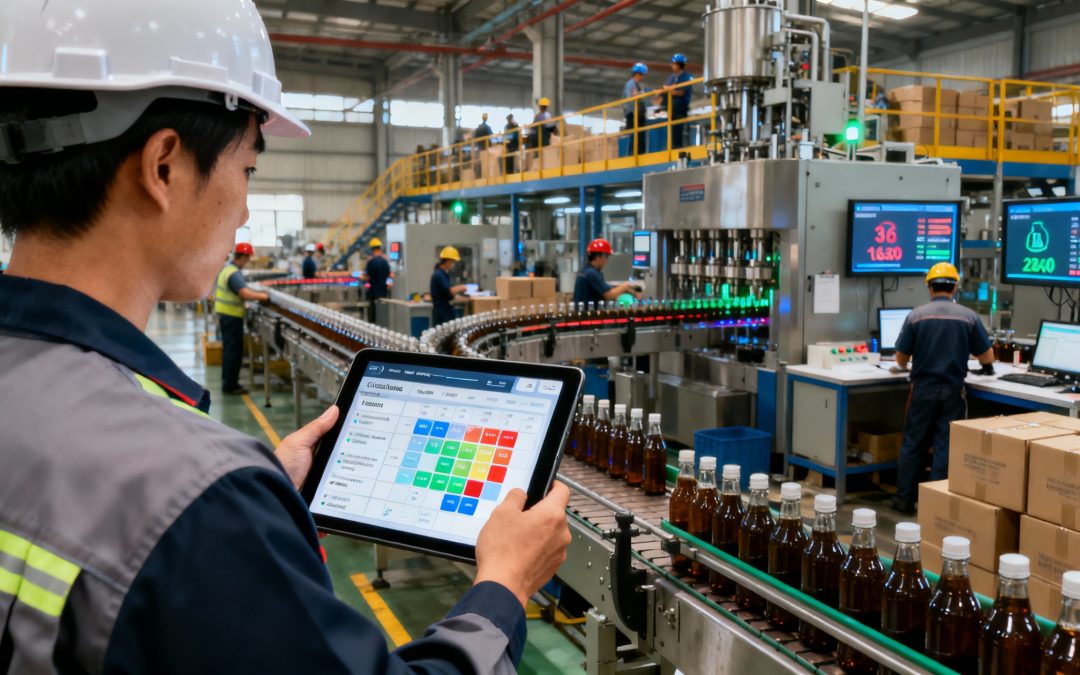
Image: Workforce Management for property services.

source: AI


Pillar I: Achieving Regulatory Agility

The Shift from Manual Risk to Digital Compliance

In the world of cross-border expansion, the most expensive mistake is a failure in Local Compliance. Singapore’s labor regulations regarding working hour calculations and overtime pay differ significantly from other major markets. For large-scale property services groups, traditional manual tracking is not just inefficient—it is a legal liability.


The group recognized that “rough” management models were triggering salary disputes and compliance risks. By implementing a system that dynamically aligns with local regulatory requirements, the enterprise achieved:


  • 100% Compliance: Automated calculation of overtime and work hours based on Singapore-specific rules.
  • Proactive Risk Mitigation: Real-time tracking of legislative changes, allowing the system to update compliance rules automatically.


This is Regulatory Agility in action: ensuring that HQ standards are met without stifling the local branch’s ability to operate within the specific legal framework of Singapore.


Pillar II: Operational Excellence through Automation

Closing the Productivity Gap in Scheduling


Property services management is fundamentally labor-intensive. When an enterprise manages diverse assets—from industrial parks to commercial hubs—the education levels and skill sets of the workforce vary significantly. The group found that manual scheduling and paper-based attendance led to two critical failures: Labor Redundancy and Response Lag.


By transitioning from “Manual Lag” to Automated Excellence, the group utilized real-time attendance data to drive precision:


  • Skill-Demand Matching: The system dynamically matches job skill requirements with available manpower, eliminating the “redundancy vs. shortage” paradox.
  • Scheduling surge: The group realized a 40% improvement in scheduling efficiency, allowing managers to focus on core property operations rather than administrative paperwork.
  • Agile Response: The response speed to attendance anomalies accelerated by 80%, ensuring that operational gaps are closed before they impact the tenant experience. 

    Pillar III: The “One Dashboard” Philosophy

    Establishing a Single Source of Truth for Global Governance


    A common pain point for Global Leaders is the lack of Real-time Visibility. Before the digital transformation, the group’ s HQ and Singapore teams were disconnected. Decisions were made based on “regional experience” rather than hard data, making it impossible to optimize manpower allocation across the 30+ countries they operate in.


    The solution was the creation of a Real-time Unified Dashboard. By integrating employee self-service platforms and data analytics, the group achieved:


    • Global-Local Symmetry: HQ can now access a “Single View” of the global workforce, while local teams retain the flexibility to adjust strategies based on real-time site data.
    • Precision Decision-Making: Data-driven insights replaced intuition, allowing the group to optimize labor costs and strategic planning simultaneously.


    The Result: Resilience and Scalable Growth


    The digital reconstruction of the group’s workforce management has delivered measurable Industry Value that transcends simple cost-saving. By focusing on “Compliance, Efficiency, and Resilience,” the initiative achieved:


    Focus AreaOriginal Challenge (The “Why”)GaiaWorks Digital Result (The “How”)
    Regulatory ComplianceSignificant differences in SG/CN labor laws (OT, hours); high legal/salary dispute risk.100% Compliance via automated, dynamic adaptation to local Singapore regulations.
    Scheduling EfficiencyPaper-based errors and manual scheduling failed to match production needs.40% Increase in efficiency by dynamically matching skills to demand.
    Operational AgilityManual management led to “Response Lag” in attendance and scheduling.80% Faster response speed to attendance anomalies via real-time data.
    Global GovernanceLack of real-time data to support strategic manpower planning.“One Dashboard” Visibility (Single source of truth) for precise, global decision-making.


    Conclusion: A Replicable Pathway for 2026


    As property services enterprises continue to expand into complex markets like Singapore, the lesson is clear: Refined Operations are the only way to balance scale with precision. Rough management models cannot survive the regulatory and operational demands of 2026.


    By prioritizing Regulatory Agility and the One Dashboard Philosophy, global leaders can ensure their expansion is not just fast, but sustainable. GaiaWorks is proud to provide the digital pathway for this transformation, helping industry leaders turn complex workforce challenges into competitive advantages.


    Empowering Your Workforce Transformation


    This group’s success proves that digitalization is the key to balancing global scale with local operational precision. As a global leader in Workforce Management solutions, GaiaWorks is proud to support 1,800+ enterprises in 30+ countries to achieve operational excellence.
     
    Ready to optimize your manufacturing workforce?
    Contact our experts today or View our Time & Attendance and AI Auto-Rostering Solutions

    Global Standards, Local Precision: How Faurecia Mastered Workforce Management in China

    Global Standards, Local Precision: How Faurecia Mastered Workforce Management in China

    This case study explores how Faurecia (FORVIA Group), a global automotive leader, partnered with GaiaWorks to solve complex Workforce Management (WFM) challenges across 50+ factories in China. By implementing a unified digital platform, Faurecia successfully harmonized global standardization with local operational agility for its 17,000 employees.


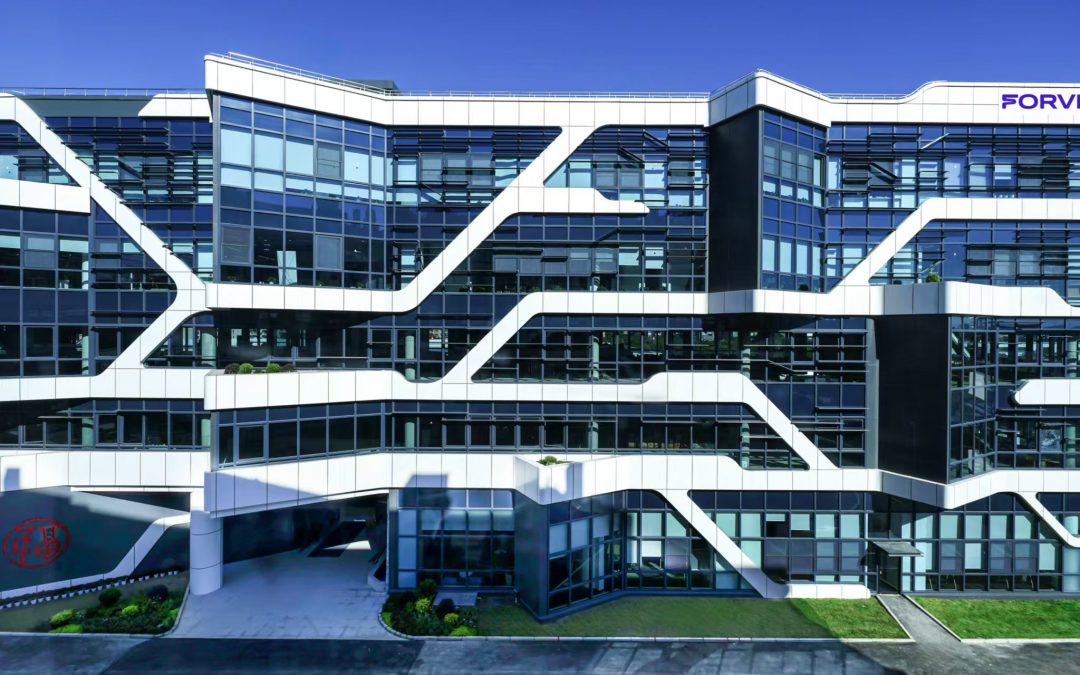
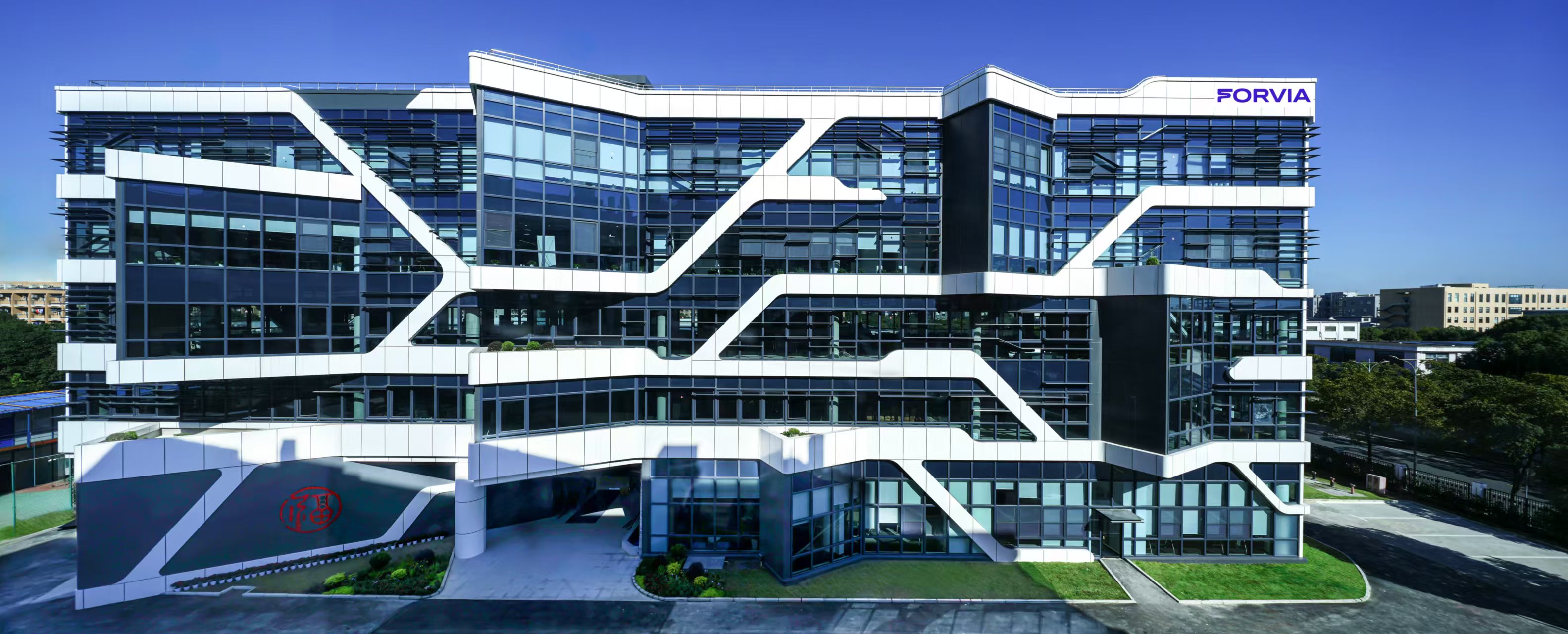
    1Image source: Faurecia Official Website


    The Challenge: Scaling Operations Across 30+ Cities

    For a manufacturing giant like Faurecia, operational scale presents a distinct challenge. With a 30-year footprint in China, the company faced a critical friction point: how to maintain rigid global standards without compromising the local agility required across 30 different cities.


    The objective was clear, Headquarters required a unified view of labor costs and efficiency, while local plant managers needed a WFM solution robust enough to handle the varied and demanding realities of daily production.

    This is a common hurdle in Multinational Workforce management. Multinational corporations must navigate a landscape where high-volume production meets a highly regulated labor market. Achieving a balance between operational efficiency and strict compliance remains a top priority for global manufacturing leaders.


    Operational Drivers for Digital Transformation

    By late 2024, the mandate for a comprehensive system upgrade was driven by operational reality rather than simple IT modernization. Legacy systems were creating visible bottlenecks in two key areas:

    Handling High-Volume Production

    Surging order volumes exposed the limitations of manual processes and disjointed software, which struggled to coordinate complex, multi-site production rhythms.

    Closing the Data Gap

    In an era of Smart Manufacturing, labor data serves as a critical production variable. Faurecia recognized that without real-time visibility into workforce allocation, achieving true operational precision was impossible. Fragmented data meant headquarters lacked a single source of truth regarding labor efficiency.


    The Solution: Implementing Localized WFM at Scale

    The partnership with GaiaWorks focused on bridging the gap between corporate governance and factory floor execution. The implementation prioritized three strategic outcomes essential for manufacturing workforce management:

    Automating Labor Compliance and Risk Control

    Regulatory compliance in China is notoriously complex, with labor rules varying significantly by city. At Faurecia’s scale, manual oversight represented a significant liability. The new system automated this complexity. By embedding local statutory requirements directly into the digital logic, Faurecia established a systemic safeguard. This ensures that scheduling and overtime calculations remain legally watertight across all regions, effectively removing compliance risk from local management’s plate. 

    Achieving Granular Labor Cost Control

    Digitalizing time management provided headquarters with direct visibility into labor spend. The system standardized overtime approvals, ensuring that every additional hour is planned and justified within the platform. This shift significantly reduced “unplanned overtime,” directly improving the bottom line while protecting the workforce from fatigue.

    Shifting HR from Administration to Strategy

    By automating attendance reconciliation, the upgrade allows HR teams to pivot their focus toward workforce planning and organizational efficiency. More importantly, mobile self-service tools have introduced transparency and convenience for the 17,000 staff members. By giving employees real-time visibility into their own records, Faurecia has built a foundation of trust and respect, proving that digital efficiency and “human-centric” management can go hand-in-hand.


    6

    Image source: Faurecia Official Website

    Results: A Model for “Glocalization”

    Faurecia’s approach offers a pragmatic blueprint for multinational manufacturers operating in Asia. Rather than forcing a rigid global system onto a dynamic local market, the company adopted a “Global Framework + Local Adaptation” model.


    The result is a functional equilibrium: Headquarters secures the standardized data required for global reporting, while local plants operate with a system designed to navigate the specific complexities of the Chinese manufacturing landscape.


    This case study is more than just a regional success; it is a blueprint for multinational workforce management. The principles of balancing centralized governance with local operational agility apply to global manufacturers everywhere, whether they are navigating the complexities of Asia, Europe, or beyond. The Faurecia case demonstrates that digitalizing WFM is a critical step in building a resilient, data-driven global organization.


    Empowering Your Workforce Transformation

    Faurecia’s success proves that digitalization is the key to balancing scale with individual employee focus. As a global leader in Workforce Management solutions, GaiaWorks is proud to support 1,800+ enterprises in 34 countries to achieve operational excellence.
     
    Ready to optimize your manufacturing workforce?
    Contact our experts today or View our Time & Attendance Solution.

    Case Study: How Swire Coca-Cola Solved “Leave Liability” with AI

    Case Study: How Swire Coca-Cola Solved “Leave Liability” with AI

    Managing factory holidays requires more than just spreadsheets; it demands intelligent AI leave planning. For a giant company like Swire Coca-Cola, balancing production peaks with employee rest was a massive challenge.

    They have thousands of workers. They also have distinct seasons. Summer is their busiest production period. However, it is also when employees want to take a break.

    This creates a big problem. If too many workers take a holiday in summer, the factory cannot make enough drinks. But if workers do not take breaks at all, the company faces “Leave Liability.”

    According to financial standards, unused leave days become a debt on the company’s balance sheet. This creates huge financial pressure. Therefore, Swire Coca-Cola needed a solution.

    They stopped using Excel spreadsheets. Instead, they chose GaiaWorks to automate the process with AI leave planning.

    The Problem: The “Leave Paradox”

    Swire Coca-Cola follows a clear rule: Annual Leave Clearing. Every employee must use all their holiday days by the end of the year.

    But in the past, this was difficult to track.

    1. Manual work was slow: HR used paper forms and Excel. They could not see the full picture in real-time.

    2. Production conflicts: Employees often asked for leave during busy times. Managers had to say “no” at the last minute. This upset the staff.

    3. The end-of-year rush: Many employees forgot to take leave until December. Then, everyone wanted to leave at the same time. This threatened production lines.

    The company was stuck. They needed to keep the factory running. Yet, they also needed to let people rest.

    3D isometric balance scale demonstrating how GaiaWorks AI leave planning balances production peaks with employee vacation.

    The Solution: Proactive AI Leave Planning

    Swire Coca-Cola introduced the GaiaWorks Smart Annual Leave solution. This system changed the game. It moved from “waiting for requests” to “planning ahead.”

    1. The AI Suggests the Best Dates

    At the start of the year, the system looks at the Production Forecast. It knows when the factory will be busy.

    Then, the AI leave planning engine sends a plan to each employee. It suggests: “Please take your holidays in March or November.” It avoids the busy summer months automatically.

    2. The “Semi-Mandatory” Rule

    This is the most important part. The system makes sure holidays actually happen.

    The system gives employees a deadline. Employees must submit their leave plan by this date. They can accept the AI’s suggestion or pick their own dates (if the dates fit the production plan).

    What if they forget?

    If an employee does not pick dates by the deadline, the system automatically turns the AI’s suggestion into a formal request. It sends this to the manager for approval.

    Consequently, 100% of leave days are planned early in the year. There are no surprises in December.

    3. Keeping It Flexible

    Robots do not control everything. Humans are still in charge.

    • Employee Choice: If an employee needs to change their dates later, they can. The system allows a “swap.” They can trade their holiday dates, as long as the total number of days stays the same.

    • Manager Control: The AI leave planning tool only gives suggestions. The manager still has the final say. If there is a special emergency, the manager can override the AI.

    The Result: A Win-Win

    By using AI leave planning, Swire Coca-Cola solved the puzzle.

    • For the Business: The factory always has enough workers. Even during the busy summer, production never stops.

    • For Compliance: The company reduced its “Leave Liability.” Legal risks are gone because all leave is cleared on time.

    • For Employees: They get their holidays guaranteed. They don’t have to fight for dates or get rejected at the last minute.

    Swire Coca-Cola proved a key lesson: Good workforce management isn’t just about tracking hours. It’s about planning ahead.

    Is your factory facing a leave liability crisis? 

    H&H Group Case Study: Navigating GDPR & PIPL with a Dual Data Center HR Strategy

    H&H Group Case Study: Navigating GDPR & PIPL with a Dual Data Center HR Strategy

    Achieving Global HR Compliance is the ultimate balancing act for modern multinational enterprises. For H&H Group, a global leader in Premium Nutrition & Wellness (home to powerhouse brands like Swisse and Biostime), international expansion is part of their DNA.

    However, rapid growth across 17 diverse markets—from Asia to Europe and North America—brought a critical challenge.

    How do you manage a workforce across borders while maintaining strict Global HR Compliance? How do you balance operational efficiency with the rigid data sovereignty laws of different nations?

    To solve this, H&H Group partnered with GaiaWorks. By implementing SAP SuccessFactors with an innovative Dual Data Center architecture, we helped them transform a compliance headache into a strategic advantage.

    The Challenge: Navigating Global HR Compliance Complexity


    Before the transformation, H&H Group faced a “perfect storm” of operational hurdles:

    • Data Sovereignty Risks: Strict regulations like the EU’s GDPR and China’s PIPL severely restricted cross-border data flow. A “one-size-fits-all” global system was no longer viable without significant compliance risks.

    • Legacy Limitations: Existing HR systems were fragmented and limited to basic organizational structures, lacking the depth needed for modern talent management, payroll, and performance.

    • Operational Inefficiency: Manual processes across continents led to a poor user experience and limited strategic visibility into their global workforce.

    H&H Group Global HR Digital Transformation powered by GaiaWorks - Futuristic digital city concept symbolizing Dual Data Center architecture and data compliance

    The Solution: A “Dual-Core” Strategy for Global HR Compliance


    As a top-tier SAP SuccessFactors partner, GaiaWorks designed and executed a cutting-edge Dual Data Center (Dual DC) strategy. This architecture allowed H&H Group to respect local laws while maintaining global oversight.

    The Architecture Breakdown

    • China Data Center (CN DC): Dedicated to hosting Employee Central for Mainland China operations, ensuring strict adherence to PIPL data localization requirements.

    • Germany Data Center (DEU DC): Hosts Onboarding and Employee Central for all other international markets (Hong Kong, Singapore, Europe, Americas, ANZ), ensuring full GDPR compliance.

    GaiaWorks’ Implementation Expertise

    Connecting these two worlds required precision. GaiaWorks developed sophisticated, customized data bridges. These bridges enable the secure transfer of necessary non-sensitive workflow data between the two centers. Our agile team successfully navigated the complexities of multiple time zones, diverse regulatory landscapes, and cultural nuances to deliver a seamless launch.

    The Impact: A Robust Foundation for Future Growth


    Six months post-launch, the value of this digital transformation is clear. H&H Group has set a new benchmark for Global HR Compliance.

    1. Mitigating Compliance Risks

    The Dual DC architecture provides peace of mind. By physically and logically separating data based on sovereignty requirements, H&H Group has established a new standard for Global HR Compliance, navigating complex global regulations with confidence.

    2. Unlocking Operational Efficiency

    Automation has replaced manual spreadsheets. The streamlined processes across borders have drastically reduced administrative overhead, allowing the HR team to focus on strategy rather than transactions. Furthermore, decision-makers have faster access to workforce analytics.

    3. Elevating Employee Experience

    Compliance does not have to be clunky. With a modern, unified SAP SuccessFactors interface, employees and managers across all 17 markets now enjoy a consistent experience. They have empowered self-service capabilities, regardless of which data center hosts their profile.

    Looking Ahead


    This project has transformed H&H Group’s HR function from an administrative support role into a strategic enabler of global growth. With a compliant and scalable digital backbone built by GaiaWorks, H&H Group is now poised to expand into new markets with agility and confidence.

    At GaiaWorks, we don’t just implement software; we solve complex workforce challenges.

    Are you facing similar challenges with Global HR Compliance and workforce management? Contact GaiaWorks today to see how we can tailor a solution for your enterprise.


    Eaton Transforms APAC Workforce Management, Saving 16,000 Hours Annually with GaiaWorks

    Eaton Transforms APAC Workforce Management, Saving 16,000 Hours Annually with GaiaWorks

    Global power management giant Eaton automated complex, localized HR rules across its diverse APAC operations, streamlining core processes and empowering its HR teams for strategic work with the GaiaWorks Workforce Management (WFM) platform.

    Results at a Glance

    • Significant Efficiency Gains: Saved thousands of administrative hours annually, fundamentally optimizing regional workforce processes.
    • Strategic HR Focus: Freed HR teams, attendance clerks, and managers from high-volume manual data processing to focus on high-value strategic work.
    • Complex Localization Mastered: Successfully automated highly complex, localized rules, including 30+ unique overtime types in the Philippines and 8 distinct employee types in Taiwan.
    • Superior User Experience: Delivered a transformative process optimization, moving over 10,000 employees to a self-service, real-time, and efficient mobile experience.
    • Scalable APAC Blueprint: Established a unified, scalable WFM platform successfully deployed in China, the Philippines, and Taiwan, creating a blueprint for further regional expansion.

    “This wasn’t just a system swap; we optimized the entire process. The GaiaWorks system brought great efficiency gains and a simple, efficient user experience to our employees, clerks, and HR team.”——— Director, HR Service Center, Eaton APAC

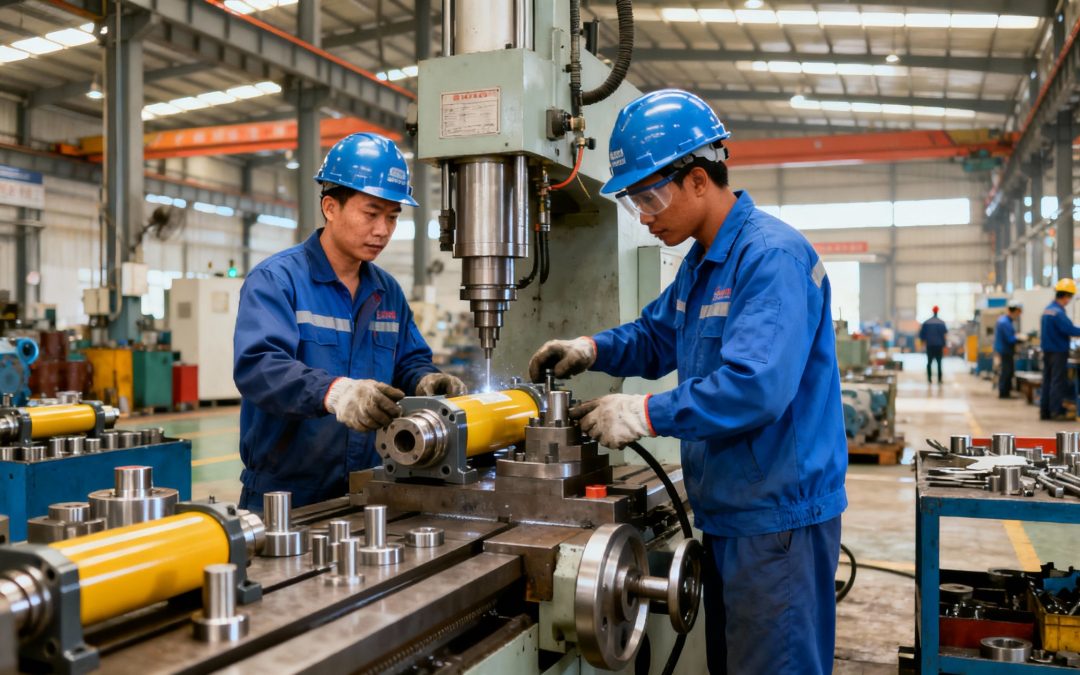
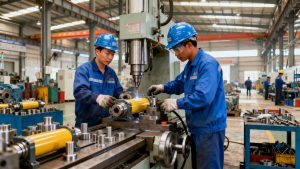
    Two workers in hard hats and uniforms operating equipment inside a manufacturing plant, illustrating how smart scheduling for manufacturing optimizes the workforce

    The Challenge: The Scale of Complexity in a Diverse Region

    Eaton, a 113-year-old global power management leader, operates a vast network across 13 countries in the APAC region with nearly 20,000 employees.

    As the company expanded, its HR teams faced immense operational challenges. The region’s diverse and complex labor laws created significant administrative burdens that its long-serving systems were not designed to handle automatically.

    The complexity was a major business challenge:

    • Highly Complex Labor Laws: Each country presented unique compliance challenges. The Philippines, for example, has 18 types of public holidays and strict regulations monitored by the Department of Labor and Employment (DOLE). This includes over 30 different overtime calculation rules.
    • Diverse Workforce Needs: Operations varied significantly. Taiwan alone has 8 distinct employee types (including factory, office, and sales staff), each with unique attendance and scheduling rules.
    • Opportunities for Process Optimization: Manual processing for attendance, scheduling, and leave management was time-consuming for HR, managers, and employees alike, creating risks of data error and compliance issues.

    Eaton needed a unified Workforce Management platform powerful enough to automate this extreme complexity and flexible enough to deliver a modern, mobile-first experience.

    The Solution: A Unified WFM Engine Powered by GaiaWorks

    Eaton’s APAC HR Service Center led a strategic initiative focused on process optimization. The goal was to re-engineer workflows from the ground up, not just “lift and shift” old functions to a new system.

    Eaton selected the GaiaWorks Workforce Management (WFM) suite as its new, unified platform for the APAC region. The solution was configured to:

    1. Automate Complex Rules: The GaiaWorks platform was configured to automate the most difficult local requirements. At a factory in the Philippines, when a worker clocks out at 11:00 PM, the system now instantly applies the correct attendance rules, automatically determining the shift type, holiday status, and correct multiplier from over 30 possible types.
    2. Drive Process Efficiency: The system automated key areas by optimizing workflows (eliminating manual verifications), automating calculations (like leave quotas), and mobilizing approvals via the mobile app, drastically cutting process wait times.
    3. Unify Diverse Operations: The platform successfully managed the deep contrasts in Eaton’s operations, applying the correct, different rule sets for factory workers in Tainan and office staff in Taipei, all within one system.

    The Results: A Transformative Leap in Efficiency and Experience

    The impact of the GaiaWorks platform was both immediate and profound, establishing a new benchmark for Eaton’s digital transformation in the region.

    1. Significant Efficiency Gains

    The project’s primary success was the saving of thousands of administrative hours annually. This reclaimed time was a major strategic victory, allowing attendance clerks, supervisors, and HR teams to move from low-value data entry to high-value employee engagement and business support.

    2. A Transformative Leap in User Experience

    For over 10,000 employees, the system delivered a major upgrade.

    • Empowerment & Privacy: Employees gained self-service access to their data and could manage sensitive leave requests privately.
    • Modern Communication: Critical information moved from physical bulletin boards to precise, instant mobile push notifications.
    • High User Adoption: The new system was met with enthusiasm. The local team in the Philippines was so pleased that they recorded testimonial videos and handed out commemorative badges on launch day.

    3. From a Regional Tool to a Global Benchmark

    By conquering the immense complexity of APAC’s labor laws, the Eaton-GaiaWorks project has become a milestone in the company’s regional operations. It proved that a single WFM platform can drive efficiency, ensure compliance, and dramatically improve the employee experience across a diverse landscape.

    Struggling with complex APAC labor laws and inefficient processes? Talk to our team to see how GaiaWorks can unify your operation.


    Smart Scheduling for Manufacturing: Swire Coca-Cola Case Study

    Smart Scheduling for Manufacturing: Swire Coca-Cola Case Study

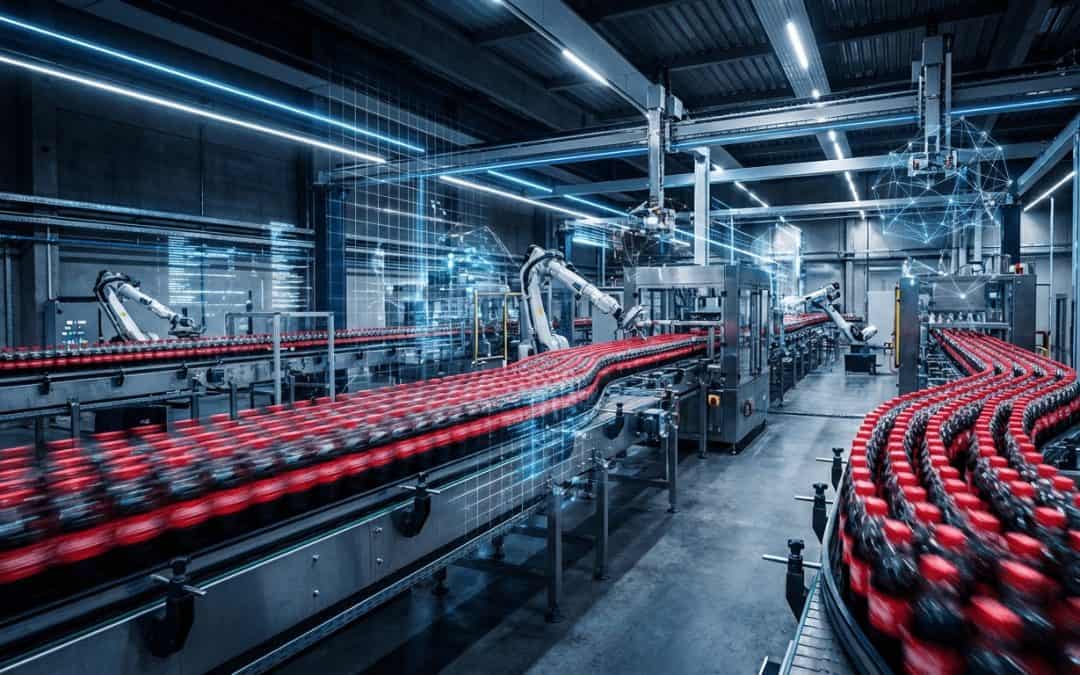
    Swire Coca-Cola deployed smart scheduling for manufacturing to solve its most complex labor challenge: automating multi-line, skilled-labor schedules. The GaiaWorks platform helped them meet peak season demand and boost efficiency—all without adding new staff.


    Results at a Glance


    • Scheduling Time Slashed 97%: Reduced weekly scheduling time for complex multi-line operations from 4-6 hours to just 10 minutes.
    • Scaled Labor Sharing: Expanded the strategic “labor sharing” program from just 2 production lines to all 6 lines, unlocking new capacity.
    • Achieved 100% Accuracy: Ensured all schedules were 100% compliant with complex skills, rotations, and multi-layered labor rules.
    • Met Peak Demand Without New Hires: Increased production flexibility to manage seasonal peaks and boosted overall capacity using the existing skilled workforce.
    • Enhanced Employee Development: Enabled a transparent, multi-skilling framework and clear development paths, boosting employee satisfaction.

    “Management philosophy and our foundational principles helped us get from 0 to 1. Smart scheduling (with GaiaWorks) helped us get from 1 to 10.”——— Swire Coca-Cola Management

    1761818515278

    The Challenge: The New Labor Problem in an Automated Factory


    In the age of Industry 4.0, many assume workforce management problems disappear. Swire Coca-Cola’s advanced facility shows this isn’t true. The facility’s operation relies on a smaller, elite group of highly-skilled technicians, which creates two critical business challenges:

    1. Peak Season Demand: The beverage business is highly seasonal. This creates intense peak seasons where the factory must produce more.

    2. Skilled Labor Scarcity: The required technicians are difficult to find and train. The factory cannot simply hire temporary staff to meet peak demand.

    The strategic answer was internal “labor sharing”—borrowing skilled staff from less-busy lines to support high-demand lines.

    This created the real challenge: Extreme Scheduling Complexity.

    • Intricate Rules: The factory runs a “3-shift, 2-rotation” system.
    • Skill Matching: Planners must match the precise skill and proficiency level for each borrowed employee.
    • Layered Constraints: The schedule must obey dozens of prioritized “strong” and “non-strong” rules (e.g., skill limits, hour limits, overtime caps, consecutive rest preferences, etc.).

    This complexity made the strategy impossible to scale. Manually creating a schedule for just two lines took 4-6 hours per week and was still not 100% accurate.


    The Solution: GaiaWorks’ Smart Scheduling for Manufacturing in Action


    Swire Coca-Cola had the right management philosophy but needed a technology engine to execute it. They launched the GaiaWorks Smart Scheduling module to automate their “labor sharing” initiative.

    This smart scheduling for manufacturing solution was configured to:

    1. Automate All Rules: The system digitized all of Swire Coca-Cola’s complex rules—from “strong” constraints like skill matching to “non-strong” preferences like minimizing disruptions.

    2. Optimize Shared Labor: The engine automatically finds the optimal, 100% compliant schedule, identifying which employees to borrow from which lines based on availability, skills, and business priority.

    3. Manage Skills: The solution provided a digital “skill tag” management system, giving planners instant visibility into who was qualified for which role.


    The Results: 4 Key Wins for from “Impossible” to “Effortless”


    The impact of the GaiaWorks platform was transformative, allowing Swire Coca-Cola to finally scale its core labor strategy.

    1. Immediate Efficiency & Accuracy

    The 4-6 hour manual scheduling nightmare vanished. The process now takes 10 minutes, and the resulting schedule is 100% accurate and compliant.


    2. Strategic Scalability (The “1 to 10” Leap)

    With automation, Swire Coca-Cola expanded its “labor sharing” program from the initial 2 lines to all 6 production lines.


    3. Capacity & Cost Control

    By efficiently sharing its existing skilled workforce, the factory boosted its overall production capacity and met peak seasonal demand without hiring a single new employee.


    4. Enhanced Employee Experience

    The platform provided a clear, online system for managing skills, allowing employees to pursue new development paths and increasing their satisfaction and retention.


    Struggling with complex schedules? See how GaiaWorks’ smart scheduling for manufacturing can automate your operations.