Employee Scheduling: 5 Ways to Make it Easier & Profitable
Let’s be honest: for most managers, employee scheduling is a headache. It’s a hard puzzle. You have to balance business needs, employee availability, and last-minute changes. Plus, you’re trying to keep everyone happy.
Too often, it feels like a thankless task. It pulls you away from what you should be doing. For example, leading your team and growing the business.
But what if your employee scheduling software wasn’t just a chore? What if it was a strategic tool? You could use it to cut costs, boost productivity, and build a happier, more stable team.
It can be. The secret isn’t working harder on spreadsheets. Instead, it’s about working smarter with the right tools. This guide will make your employee scheduling easier by focusing on the features that matter.
1. Stop Guessing, Start Forecasting with Data
The biggest flaw in manual employee scheduling is that it’s based on guesswork. For example, you look at last week’s schedule, remember it was busy on Friday, and hope for the best. This often leads to being overstaffed during quiet periods (wasting money). Or, it leaves you understaffed during a rush (stressing out your team and losing sales).
The Fix: Use an AI-Powered Forecasting Engine
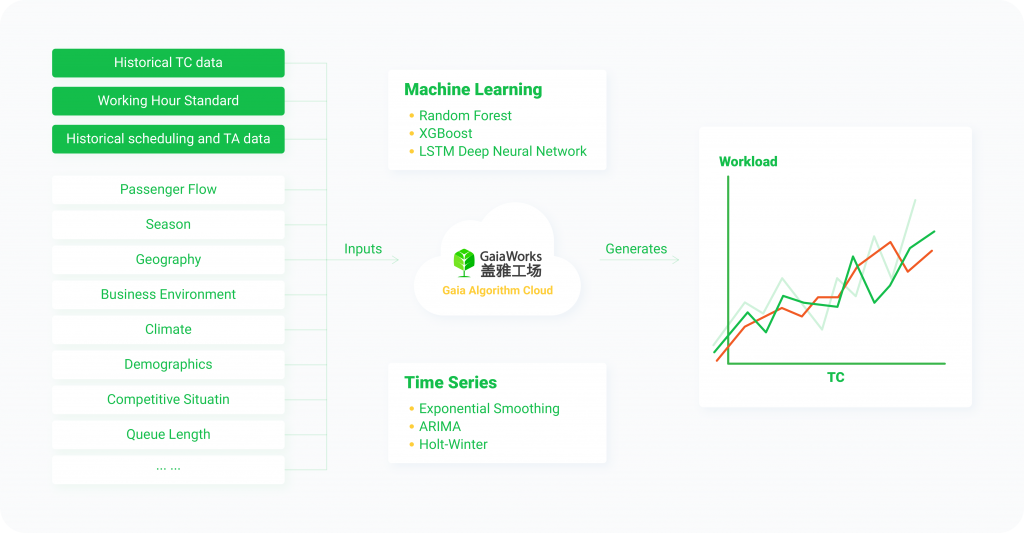
A smart scheduling platform does this automatically. The GaiaWorks Algorithm Cloud acts as your forecasting engine.
- How it Works: The platform analyzes your historical business data. This includes sales figures, customer traffic, or production orders. Additionally, it considers external factors like weather or holidays. This helps generate a highly accurate Business Forecast.
- The Feature in Action: You start with a clear, data-backed plan. You know exactly how many people you need for each 15-minute interval. As a result, your roster management transforms from a guess into a proactive, data-driven plan.
2. Match the Right Skills to the Right Shift
Having enough people on the floor is only half the battle. You need the right people, with the right skills, doing the right jobs. Manually tracking this for your employee scheduling is nearly impossible at scale. Furthermore, it leads to costly mistakes.
The Fix: Automate Skills-Based Assignments.
The GaiaWorks platform allows you to move beyond simple availability and schedule based on capability.
- How it Works: Within the system, you can tag employees with specific Skills & Certificates.This could be anything from “Forklift Certified” in a warehouse to “Product Expert” in a retail store.
- The Feature in Action: When the AI builds the schedule, it doesn’t just fill a slot. Instead, it intelligently finds the best person for that shift’s specific needs. This ensures your most critical roles are always covered by qualified staff. This single feature has a massive impact. In fact, Nestlé used this approach with GaiaWorks. It led to a 20% increase in productivity and a 50% reduction in human-error-related quality issues.
3. Give Your Employees Flexibility (Without Creating Chaos)
Today’s employees expect flexibility. A rigid, top-down schedule is a primary cause of burnout and high turnover. But, managing shift swaps and time-off requests via text messages is a recipe for chaos.
The Fix: Empower Your Team with a Self-Service Mobile App.
The GaiaWorks mobile app gives your employees a direct line to their schedule, fostering a sense of ownership and respect.
- How it Works: The app provides a central hub for all scheduling communication. Employees can see their shifts in real-time, get notified of changes, and manage their own availability.
- The Feature in Action: For example, an employee needs to swap a shift. Instead of calling you, they open the app and request a swap. The system automatically shows the request only to other employees who have the right skills and won’t go into overtime. You simply get a notification to approve the pre-vetted swap with one click. Amazingly, this process can be done in as little as 10 seconds.
4. Make Employee Scheduling Compliance Effortless and Automatic
Labor laws are complex. Plus, they are constantly changing. Manually tracking overtime limits, mandated breaks, and fair work week rules is a massive compliance risk. This can lead to expensive fines and legal trouble.
The Fix: Use a System with Built-in Compliance Guardrails.
The GaiaWorks platform has a powerful Compliance Assistance engine built-in, acting as your automated legal expert.
- How it Works: You configure the system with your specific national, regional, and company labor rules.
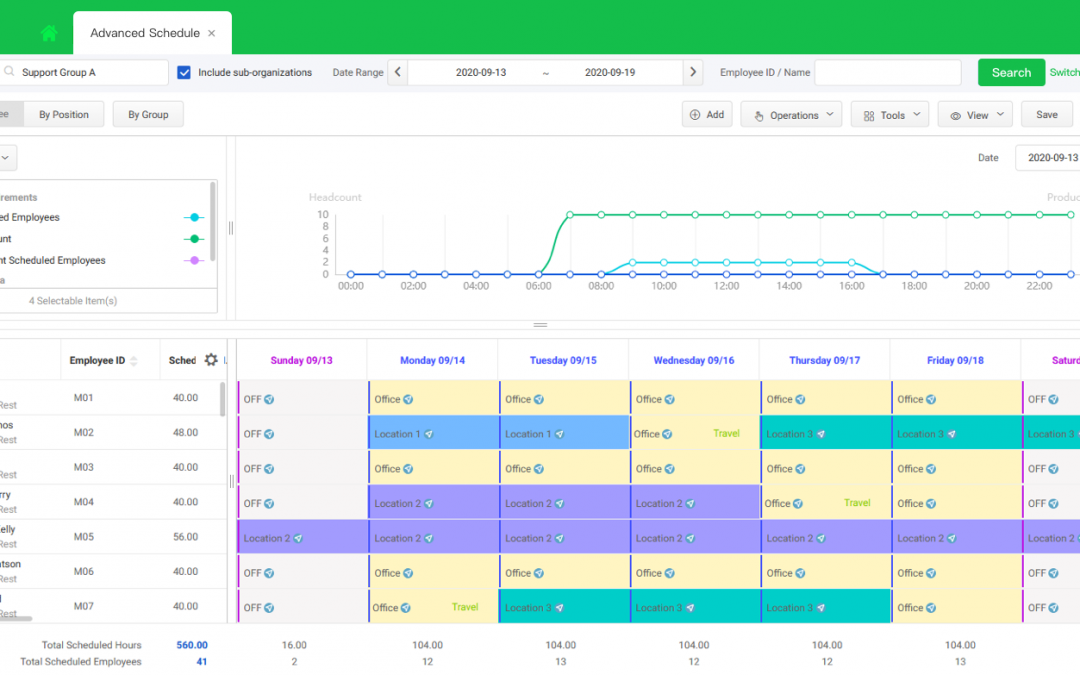
- The Feature in Action: As the schedule is being created, the system automatically monitors for violations in real-time. For instance, if a manager tries to make a manual change, they get an alert. It might say, “This change will put this employee into overtime.” This prevents a costly mistake before it ever happens.
5. Connect Your Employee Scheduling to Your Bottom Line
Ultimately, your schedule is one of the most powerful levers you have for controlling your biggest variable cost: labor. A well-built schedule can directly increase profitability.
The Fix: Schedule Against a Specific Business Target.
GaiaWorks allows you to align your labor optimization efforts with your financial goals.
- How it Works: The platform includes an Optimization Target feature. Before running the schedule, you tell the AI what your primary goal is. For example, “Cost Saving”.
- The Feature in Action: The algorithm will then prioritize that goal, intelligently building the most cost-effective schedule possible that still meets your business demand and compliance rules. The results are significant:
- Swire Coca-Cola used smarter scheduling to enable labor sharing across 6 production lines, resulting in a 2% increase in overall production capacity.
- A global fast-food chain cut its weekly scheduling time from 8 hours to 2 and is projected to save an estimated ¥100 million RMB (approx. $14M USD) annually in labor costs.
It’s Time for Smarter Employee Scheduling
Moving away from manual employee scheduling isn’t just about saving a few hours a week. Instead, it’s about making a fundamental shift. You can move from a reactive chore to a proactive, strategic advantage.
By leveraging the right automated scheduling tools, you can build better schedules. These schedules meet your business needs and create a fairer, more flexible environment for your employees. Finally, the result is a more resilient, more profitable operation.
Ready to see the difference for yourself?(/request-demo) to learn how GaiaWorks can turn your biggest scheduling challenges into your greatest strengths.